Source High Brightness Meteor Shower Lights for Garden
Find high brightness meteor shower lights for outdoor Christmas, patio, and garden decor. Compare 30 options featuring IP65 ratings, 220V and 12V inputs, and customizable modes to find the right supplier; compare the available evidence and request quotations based on your requirements.
Key considerations
Products List


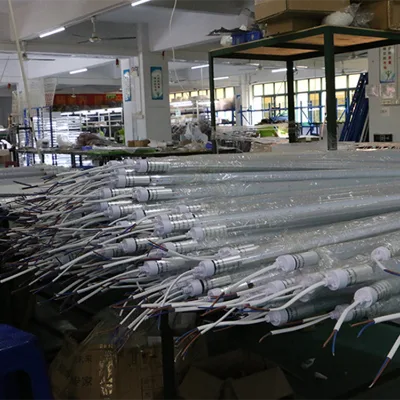
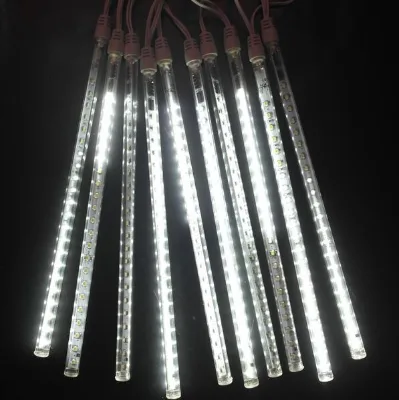


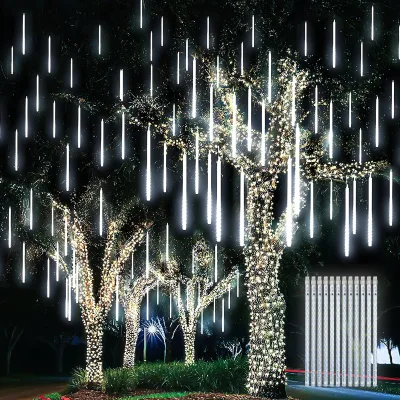
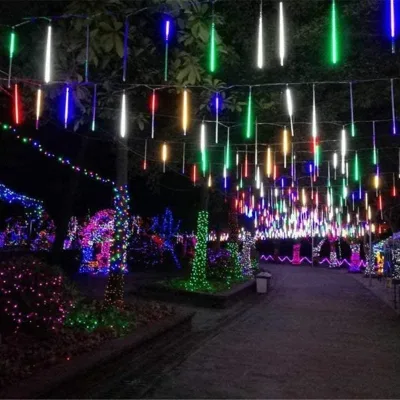
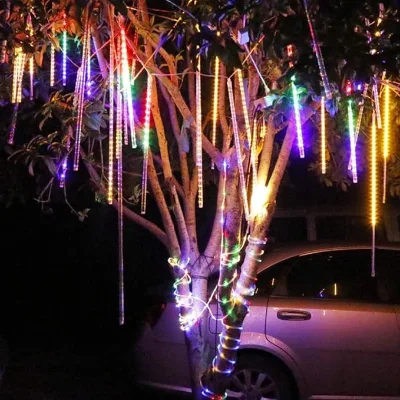
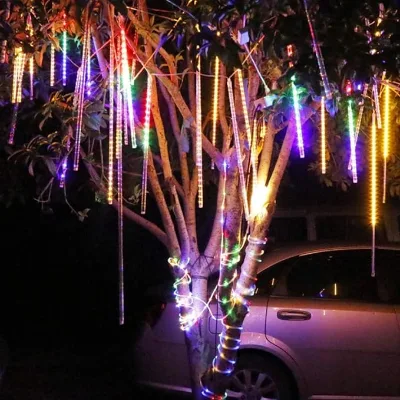


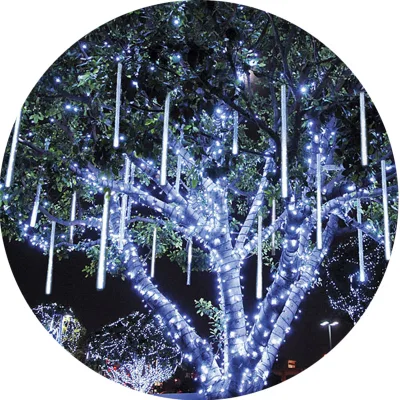


Comprehensive Sourcing Guide
High Brightness Meteor Shower Lights Sourcing Guide
Procuring high brightness meteor shower lights requires a nuanced understanding of both aesthetic intent and technical reliability. These fixtures are designed to simulate falling rain or shooting stars, creating dynamic visual effects for festive and architectural applications. Buyers must distinguish between standard static lighting and these specialized cascade-effect units, which rely on specific LED sequencing to achieve the desired meteor shower appearance. The core value lies in the synchronization of individual LED tubes, ensuring that the "flowing" or "meteor cascade" effect is smooth and visually appealing without flickering or dead zones.
The market for these lights is diverse, ranging from simple holiday decorations to complex commercial installations. Sourcing decisions should be driven by the intended environment, whether it is a private patio, a commercial pergola, or a large-scale outdoor event. Understanding the specific mode of operation, such as steady-on versus flashing, is critical for aligning product capabilities with the buyer’s design vision. Furthermore, the ability to customize color temperatures and light modes allows for tailored solutions that meet specific branding or atmospheric requirements, making customization a key factor in supplier selection.
Product Scope and Observed Listing Signals
Current market listings reveal a wide variance in product specifications, indicating a fragmented supply chain with varying quality tiers. Observed price ranges span from low-cost options to premium units, reflecting differences in LED quality, driver reliability, and material durability. Buyers should note that while some listings offer basic white or single-color options, others provide multi-color capabilities including RGB, warm white, and cool white variants. This diversity allows for flexible sourcing strategies but requires careful verification of the actual light output and color consistency across batches.
The observed minimum order quantities (MOQ) typically range from small trial orders to larger bulk purchases, catering to both small retailers and large distributors. Listings often highlight features such as IP ratings and voltage compatibility, which are crucial for determining suitability for indoor versus outdoor use. Some products are marketed with specific tube lengths and diameters, such as 60 cm tubes with a 30 mm diameter, while others offer customizable lengths. Buyers must scrutinize these details to ensure the physical dimensions and electrical requirements match their installation constraints and design specifications.
Technical Specifications to Verify
Voltage compatibility is a primary technical consideration, with products available in both 12V and 220V configurations. Buyers must ensure that the selected voltage aligns with their local electrical infrastructure and safety regulations. Additionally, the IP rating is critical for outdoor applications, with IP65 being a common standard for weather resistance. Verifying the actual IP rating of the lamp body and connector is essential to prevent water ingress, which can lead to premature failure. The material of the lamp body, often PVC, should also be evaluated for UV resistance and durability in harsh weather conditions.
The LED count and power consumption are key indicators of brightness and efficiency. Products may feature varying LED densities, such as 144 LEDs per tube, which directly impact the intensity and smoothness of the meteor shower effect. Buyers should verify the rated power and luminous flux to ensure adequate brightness for the intended space. Furthermore, the lifespan of the LEDs, often cited in the range of 30,000 hours, should be cross-referenced with warranty terms to assess long-term value. Understanding the working temperature range, typically from -20°C to 50°C, is also vital for ensuring performance in extreme climates.
Compliance and Safety Documentation
Certification status is a non-negotiable aspect of procurement, with CE and RoHS marks being common indicators of compliance with European safety and environmental standards. Buyers must request valid certification documents from suppliers to verify that the products meet the necessary regulatory requirements for their target markets. The absence of proper certification can lead to customs delays, product recalls, or legal liabilities. It is advisable to confirm that the certifications are issued by recognized testing bodies and are up-to-date.
Electrical safety is another critical area requiring documentation. Buyers should verify that the lighting solutions include appropriate circuitry design and that the products support dimming if required for their application. The input voltage tolerance, often specified as AC 220V ± 10%, should be clearly stated to ensure compatibility with local power grids. Additionally, the maximum number of connectable sets, such as 2-3 sets, should be confirmed to prevent overloading circuits. Proper documentation of these safety features ensures that the installation is both compliant and secure.
Cost Drivers and Commercial Terms
The cost of meteor shower lights is influenced by several factors, including the number of LEDs, the complexity of the control system, and the quality of materials used. Higher brightness and more sophisticated cascade effects typically command higher prices. Buyers should also consider the cost of customization, as tailored lengths, colors, and packaging options may incur additional fees. Understanding the breakdown of these costs helps in negotiating better terms and selecting products that offer the best value for money.
Commercial terms such as MOQ, lead times, and payment conditions vary among suppliers. Buyers should clarify these terms early in the sourcing process to avoid surprises. The packing method, often carton boxes, should be evaluated for its ability to protect the products during transit. Additionally, the warranty period, typically one year, should be clearly defined, including the scope of coverage and the process for claims. Understanding these commercial aspects ensures a smooth procurement process and minimizes risks associated with supply chain disruptions.
Supplier Qualification and Quality Control
Supplier qualification is essential for ensuring consistent product quality and reliable service. Buyers should assess the supplier’s manufacturing capabilities, quality control processes, and track record in the industry. Suppliers with experience in lighting solutions, particularly those offering lighting and circuitry design services, are often better equipped to handle complex orders. Verifying the supplier’s location, such as Jiangsu, China, can also provide insights into their supply chain efficiency and proximity to key components.
Quality control measures should be clearly defined and agreed upon before placing orders. Buyers should request samples to evaluate the actual product quality, including the brightness, color consistency, and durability of the materials. Inspecting the packaging and labeling for accuracy is also important to ensure that the products meet the specified standards. Establishing a clear communication channel with the supplier for addressing any quality issues is crucial for maintaining long-term business relationships and ensuring customer satisfaction.
Long-Term Procurement Checks
Long-term procurement success depends on continuous monitoring of product performance and supplier reliability. Buyers should establish a system for tracking warranty claims and product failures to identify any recurring issues. Regular feedback from end-users can provide valuable insights into the real-world performance of the lights, helping to inform future purchasing decisions. Maintaining a relationship with the supplier for ongoing support and updates on new products is also beneficial for staying competitive in the market.
Adapting to changing market trends and customer preferences is crucial for sustained success. Buyers should stay informed about emerging technologies and design trends in the lighting industry, such as new LED configurations or smart control features. Flexibility in sourcing strategies, including the ability to customize products and adjust order volumes, allows buyers to respond quickly to market demands. By focusing on long-term relationships and continuous improvement, buyers can build a resilient and profitable procurement operation.
FAQs
What certifications do these lights have?
These lights carry CE and RoHS certifications to ensure safety and environmental compliance. The product specifications confirm these standards are met for the LED light bar components used in the rain meteor design.
How long is the leader wire included?
The leader wire length is specified as 3 meters for the standard configuration. This length connects the main power source to the individual tubes, facilitating installation for outdoor Christmas or holiday decorations.
Can I customize the color temperature?
Customization is available for various color temperatures including Cool White and 2700K Soft Warm White. Buyers can select specific options to match their desired ambiance for patio or garden lighting applications.
What is the IP rating for outdoor use?
The product features an IP65 rating, ensuring protection against dust and water jets. This makes the lights suitable for outdoor applications like Christmas, holiday, and garden settings without immediate weather damage.
How many LEDs are in each tube?
Each tube contains 144 LEDs to create a bright meteor cascade effect. This high density ensures a vivid flowing light mode that enhances the visual impact for festive outdoor displays.
What is the lifespan of the LED tubes?
The rated lifespan is 30,000 hours for the LED components used in these lights. This durability supports long-term use in indoor and outdoor applications while maintaining consistent light output.
Which voltage options are supported?
The lights support input voltages of AC 220V with a tolerance of plus or minus 10 percent. Some variants also operate on 12V, providing flexibility for different power supply requirements in various regions.